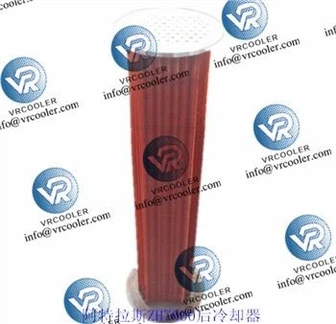
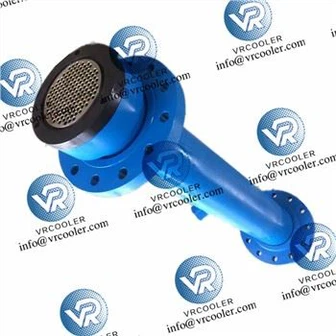
Radaitheoirí Socraithe Gineadóir Bithgháis (Fuaraitheoirí Tirim Coitianta / Ard- Agus Íseal-Teocht Aer-Fuaraithe)
BithghásRadaitheoirí Socraigh Gineadóir(Triomaigh go hiondúil-Cineál Fuaraitheoirí Aeir / Scartha Ard- agus Íseal-Fuarú Teochta)
Tá bithghás an-tais, creimneach, agus tá go leor neamhíonachtaí ann. Dá bhrí sin, tugann dearaí radaitheora tús áite don fhriotaíocht chreimthe, don chosc ar chlogaí, agus d’fhuaraithe teocht ard agus íseal{-deighil. I gcleachtas innealtóireachta, úsáidtear fuaraitheoirí aeir tirime beagnach go hiomlán, agus ní úsáidtear túir fuaraithe uisce.
Chun éifeachtúlacht agus fad saoil a áirithiú, úsáideann innill bithgháis go ginearálta dhá chóras fuaraithe neamhspleácha:
Ciorcad Ardteochta (HT)
Fuarú: Uisce línéar sorcóra, bloc inneall
Teocht: 85-95 céim
Feidhm: Cosc ar róthéamh inneall agus coinníonn sé éifeachtúlacht theirmeach cobhsaí
Ciorcad Teochta Ísle (LT)
Fuarú: Aer idircooled, ola innill, réamhthéitheoir bithgháis
Teocht: 55-70 céim
Feidhm: Íslíonn sé teocht an aeir iontógála, cosnaíonn sé ola innill, agus cobhsaíonn an cóimheas aeir breosla
Tá malartóir teasa tiomnaithe feistithe le gach ciorcad, dá ngairtear fuaraitheoirí tirime ar ardteocht agus ar theocht íseal.
Difríochtaí ó Radaitheoirí in Innill Ghnáthaimh Díosail/Gáis Nádúrtha
Friotaíocht Creimthe Feabhsaithe
Tá H₂S agus gal uisce i mbithghás, atá an-chreimneach; caithfidh eití agus píobáin a bheith resistant-creimeadh.
Níos éasca a Glanadh
Tá go leor neamhíonachtaí ag bithghás, agus tá eití fuaraithe seans maith go clogáil; caithfidh an dearadh níocháin uisce agus séideadh aeir a éascú.
Rialú Teochta níos déine
Athraíonn luach calrach bithgháis go suntasach; cuireann teochtaí éagobhsaí sa chiorcad ísealteochta isteach go díreach ar aschur cumhachta agus ar theocht sceite.
Cosaint Reo Geimhridh
Úsáidtear frithreoite glycol eitiléine go coitianta chun pléasctha píopaí a chosc mar gheall ar reo.